Why the 305 Heat Trips Your A/C Breaker
Living in Miami means accepting a few universal truths: traffic on the Palmetto is unpredictable, cafecito is a daily requirement, and your A/C is the most important appliance in your home. When the summer heat sets in, we rely heavily on our cooling systems to keep our living spaces comfortable. But there is nothing quite as frustrating as hearing that sudden click, followed by the silence of your air conditioning shutting off because a circuit breaker tripped.
If you find your air conditioner tripping circuit breaker in summer, you are not alone. It is one of the most common calls we receive during the hottest months of the year. But why does it happen, and more importantly, how can you fix it before your home turns into a sauna? Let's dive into the reasons behind this frustrating issue and how you can keep your system running smoothly all season long.
The Heavy Lifting of Summer Cooling
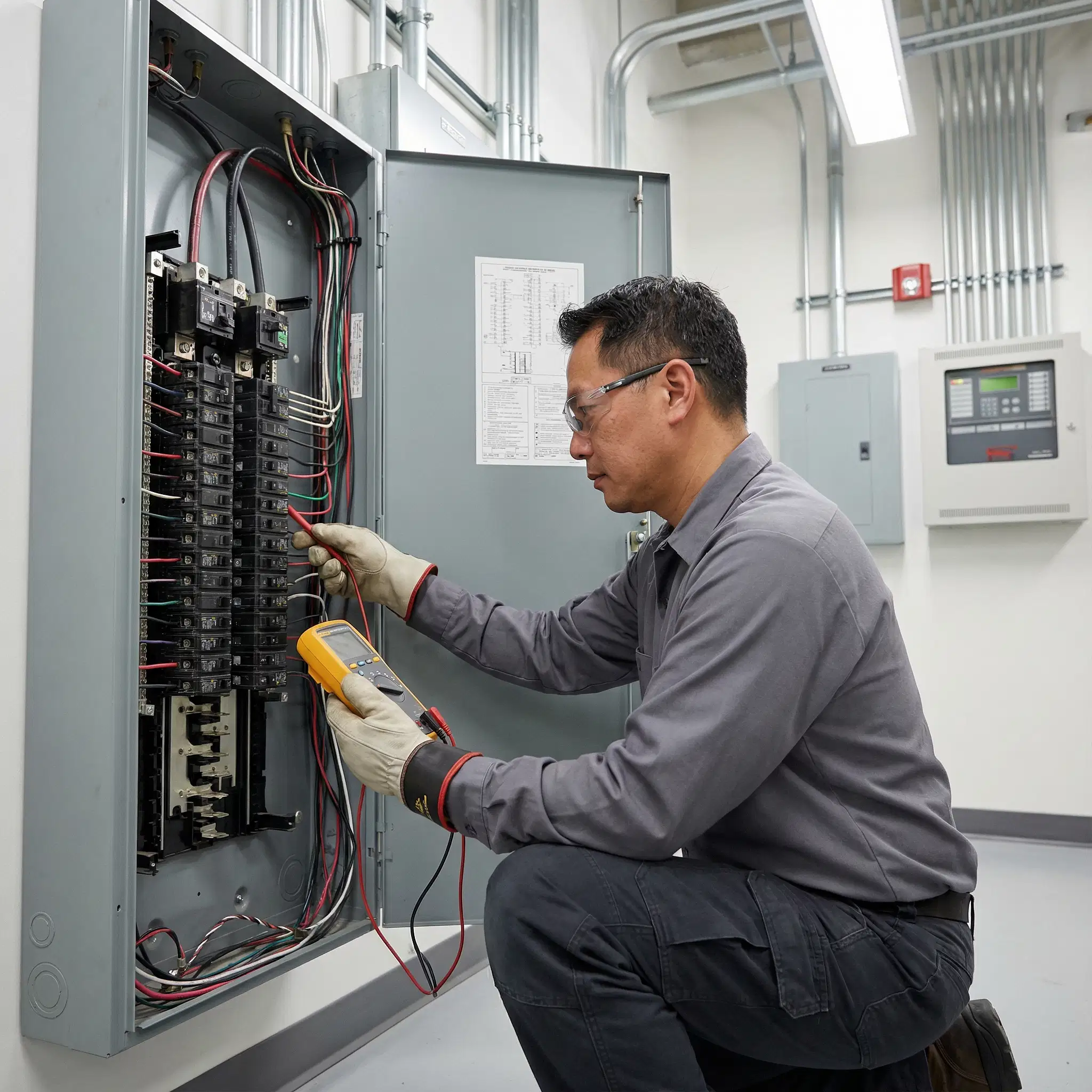
To understand why your breaker trips, it helps to understand what a circuit breaker actually does. Think of it as your home's electrical safety guard. When a circuit draws more electrical current than it is designed to handle, the breaker trips to cut off the power. This prevents the wires from overheating, melting, and potentially starting a fire.
During the peak of summer in The 305, your cooling system is working overtime. The hotter it gets outside, the harder the compressor has to work to remove heat from your home. This increased workload requires more electricity. If your system is pulling more amps than the breaker is rated for, the safety mechanism kicks in.
While a one-time trip might just be a fluke—perhaps a temporary power surge from a passing afternoon thunderstorm—repeated tripping is a clear signal that something is wrong. Simply flipping the switch back on without addressing the root cause is not just annoying; it can be dangerous.
Common Culprits Behind the Trip
Several factors can cause your cooling system to draw too much power. Here are the most frequent offenders we see in local homes:
Overloaded Circuits
Your air conditioning system requires a significant amount of power to start up and run continuously. Because of this massive energy draw, it requires a dedicated circuit for central air conditioning. If your system is sharing a circuit with other heavy appliances, or if the circuit itself is undersized for the unit's requirements, it will consistently overload and trip the breaker.
Dirty Air Filters
It sounds too simple to be true, but a dirty air filter is a leading cause of electrical strain on HVAC systems. When the filter is clogged with dust and debris, airflow is restricted. The blower motor has to work twice as hard to push air through the house, drawing more electricity in the process. Changing your filter regularly is the easiest way to prevent this unnecessary strain.
Failing Capacitors
The capacitor is a small cylindrical part inside your outdoor condenser unit that provides the initial jolt of electricity needed to start the compressor. The intense heat of our tropical climate can cause these components to degrade over time. When a capacitor starts to fail, the compressor struggles to start, pulling a massive amount of electrical current and instantly tripping the breaker.
Outdated Electrical Panels
Many older homes in our area still have their original electrical panels. If your home was built several decades ago, it might even have a Federal Pacific or Zinsco panel. These older panels are notorious for failing to operate correctly and are often not equipped to handle the electrical load of modern, high-efficiency cooling systems. Upgrading an aging panel is a critical step in preventing AC electrical failure during heat waves and ensuring your home meets current safety standards.
Your HVAC Electrical System Maintenance Checklist
Preventative maintenance is the key to avoiding a mid-summer breakdown. While you should always have a licensed HVAC technician service the mechanical parts of your system, the electrical side requires the expertise of a qualified electrician. Here is a quick HVAC electrical system maintenance checklist to help you maintain a healthy connection for your cooling system:
- Inspect the wiring: Look for any visible signs of wear, fraying, or pest damage on the wires connecting to your outdoor unit.
- Check the breaker panel: Ensure the breaker switch for your A/C feels firm and doesn't feel hot to the touch. A loose or hot breaker is a fire hazard.
- Invest in surge protection: Frequent lightning strikes and grid fluctuations from FPL can wreak havoc on your system's sensitive electronic components. Whole-home surge protection acts as a shield, absorbing excess voltage before it reaches your appliances.
- Schedule an electrical inspection: If your home is older or you've recently upgraded to a larger cooling unit, have a professional evaluate your panel's capacity.
The Dangers of DIY Electrical Troubleshooting
When the house is getting hot and frustration is mounting, it can be tempting to try and diagnose the electrical issue yourself. However, working with your home's electrical panel or the high-voltage wiring connected to your cooling system is incredibly dangerous without the proper training and equipment.
A common mistake homeowners make is assuming that replacing a tripping breaker with a larger one will solve the problem. For example, swapping a 30-amp breaker for a 40-amp breaker might stop the tripping, but it allows more current to flow through wires that were only designed to handle 30 amps. This causes the wires to overheat, melt their insulation, and potentially start a fire inside your walls.
Always rely on a licensed and insured professional to handle electrical repairs. Strict compliance with local building codes isn't just about passing inspections; it is about keeping your family safe. A qualified technician will accurately diagnose whether the issue lies with the appliance itself, the wiring, or the panel, providing a safe and permanent solution.
Keep Your Home Cool and Safe
Dealing with electrical issues can be stressful, especially when it impacts your family's comfort during the hottest months of the year. Remember, a tripping breaker is doing its job by protecting your home from an electrical fire. Never ignore the warning signs or try to force a breaker to stay on.
At Miami Dade Electric, we understand the unique demands that our climate places on your home's infrastructure. Whether you need a panel inspection, a dedicated circuit installed, or whole-home surge protection, our licensed and insured team is here to help. We pride ourselves on transparent pricing, punctual service, and getting the job done right the first time. Plus, our bilingual team is always ready to assist you—se habla español.
Don't let electrical issues leave you sweating this summer. If you are experiencing frequent breaker trips in South Dade or the surrounding areas, reach out to us today to learn more about our residential electrical services and schedule a comprehensive evaluation of your home's system.