
Understanding GFCI Outlet Protection and Code Requirements
Water and electricity are a notoriously dangerous combination. Here in Miami, we are surrounded by water, and we understand how to safely navigate our coastal environment. But inside our homes, keeping electricity safely isolated from moisture is just as critical. That is where Ground Fault Circuit Interrupter (GFCI) outlets come into play.
If you have ever pressed the little "test" or "reset" buttons on the outlets in your bathroom, you have interacted with a GFCI. But how does a gfci outlet work, exactly? Simply put, a GFCI constantly monitors the flow of electrical current through a circuit. It measures the electricity going out and the electricity coming back. If it detects even a tiny imbalance—as small as 4 or 5 milliamps—it assumes the current is leaking out somewhere it shouldn't, potentially through water or a person. Within a fraction of a second, the GFCI cuts the power, preventing a potentially fatal electric shock.
Understanding these essential safety devices is crucial for any homeowner, not just for personal safety, but to ensure your property remains up to date with modern building standards.
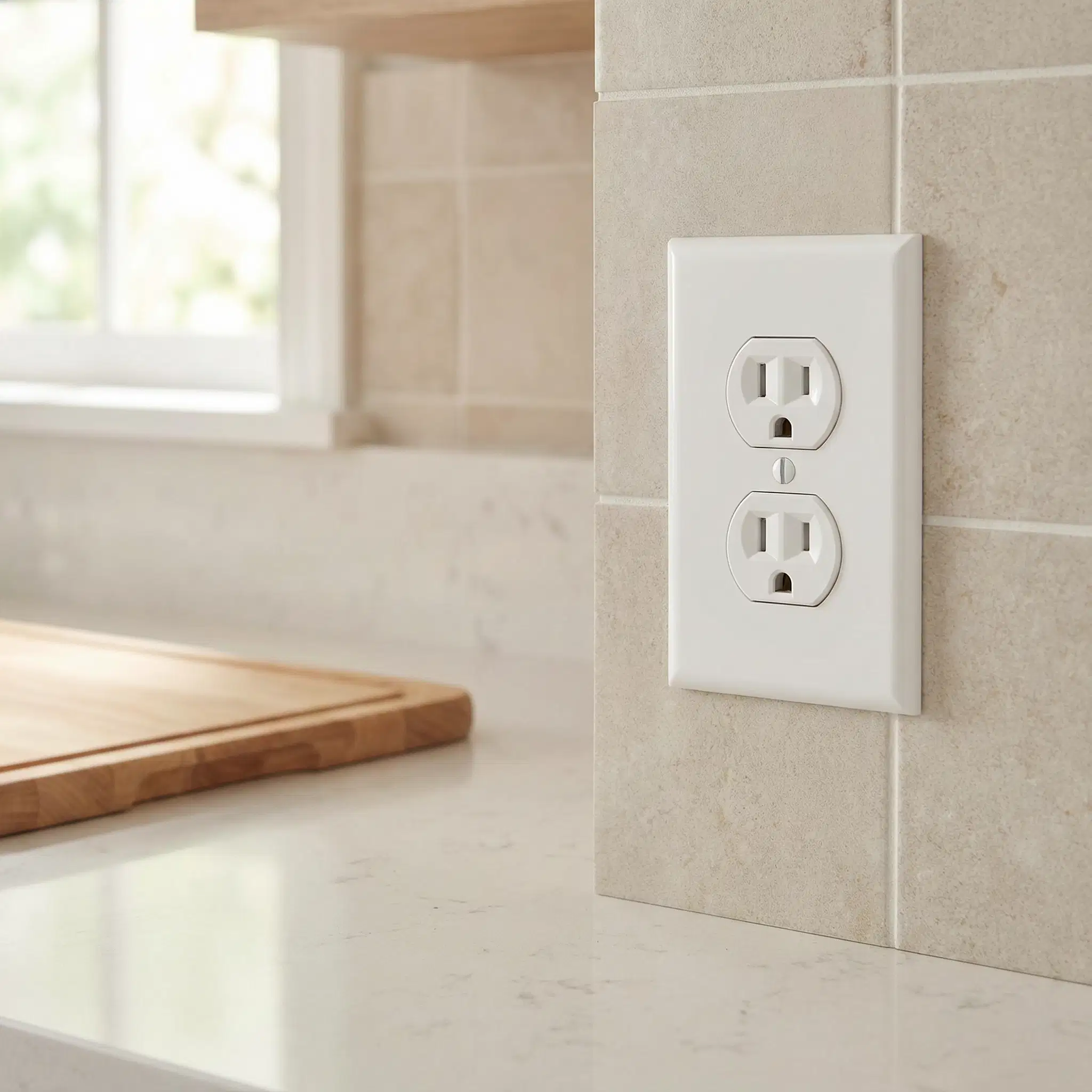
Where Are GFCI Outlets Required by Code?
Keeping your home aligned with florida electrical code requirements is vital for passing inspections, maintaining your homeowner's insurance, and most importantly, protecting your family. The National Electrical Code (NEC) frequently updates its guidelines, but the general rule of thumb is that any area where water and electricity might mix requires GFCI protection.
So, where are gfci outlets required by code? The most common areas include:
- Bathrooms: All receptacles in bathrooms must be GFCI protected.
- Kitchens: Any outlet serving the countertop surfaces, especially those within six feet of a sink, must have protection.
- Laundry and Utility Rooms: Outlets within six feet of utility sinks or washing machines.
- Garages and Unfinished Spaces: Because these areas are prone to moisture and direct contact with the earth, standard outlets won't cut it.
- Outdoor Spaces: Any exterior receptacle must be protected.
Speaking of exterior spaces, a question we frequently receive is, "why does my outdoor gfci keep tripping?" In SoFlo, our intense rainy season brings heavy downpours and incredibly high humidity. Sometimes, moisture from rain, sprinklers, or condensation seeps into the weatherproof cover, causing the sensitive GFCI to trip. While occasionally tripping after a heavy storm is normal, an outlet that constantly trips may indicate deteriorating weather seals, a faulty device, or an actual ground fault. If your outdoor living space or lanai has a problematic outlet, scheduling a professional electrical repair is the best way to ensure the enclosure is watertight and safe.
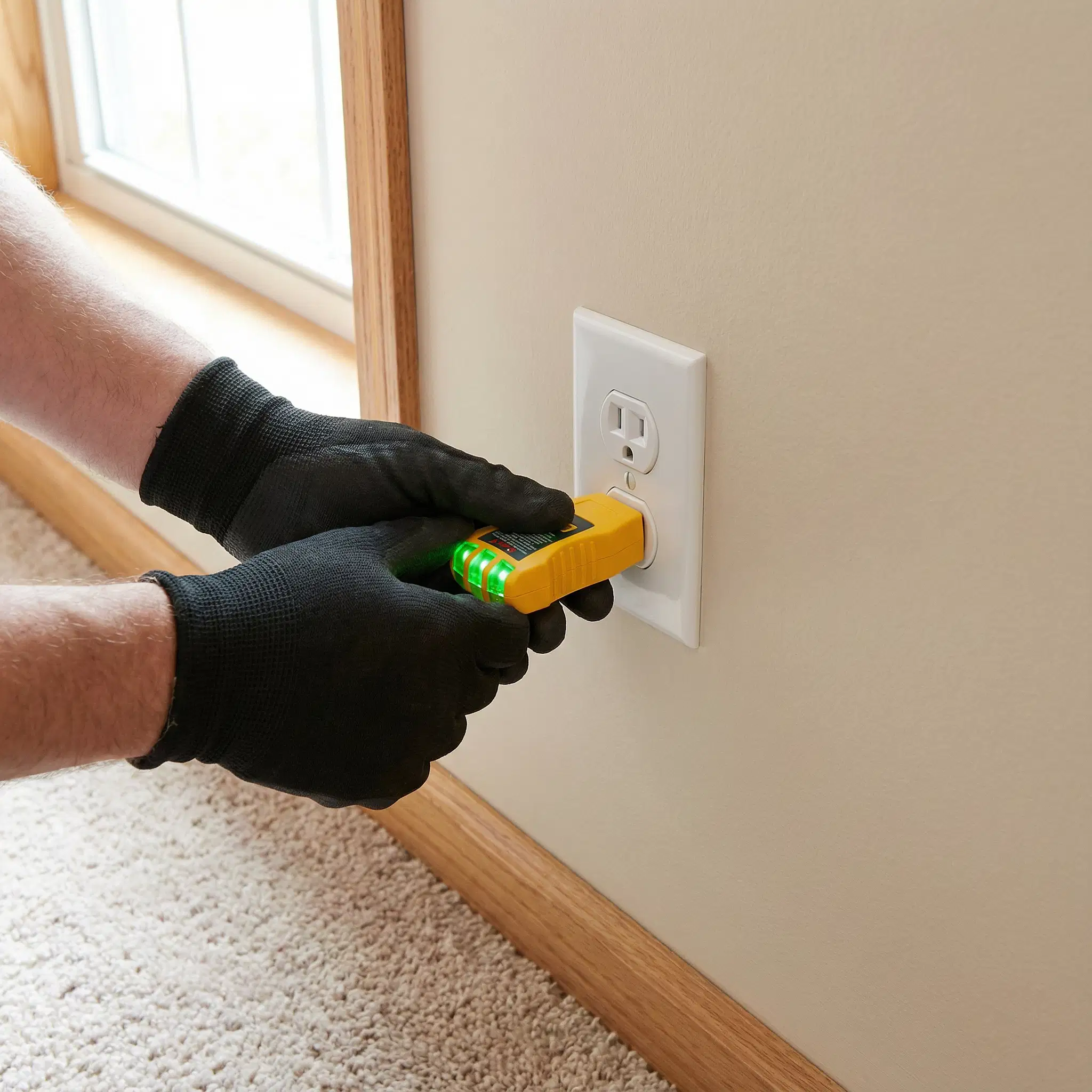
GFCI vs. AFCI: What You Need to Know
When researching electrical safety, you might come across another acronym: AFCI. Many homeowners want to know the difference between gfci and afci breakers.
While GFCIs are designed to protect people from electric shocks by detecting ground faults, Arc Fault Circuit Interrupters (AFCIs) are designed to protect your home from fires. AFCIs monitor the circuit for dangerous electrical arcs. An arc can happen if a wire is pierced by a nail behind the wall, if an old cord is frayed, or if a connection in an outlet is loose. When the AFCI detects this erratic sparking, it shuts down the circuit before the intense heat can start a fire. Today's building codes often require both GFCI and AFCI protection in various parts of the home.
When homeowners look at the electrical cost of upgrading their panels or outlets, some wonder if they can handle the job themselves. Because incorrect wiring can completely neutralize the safety mechanisms of these devices—leaving you with a false sense of security—DIY electrical work is highly discouraged. Miswiring a GFCI can leave the receptacle powered even when the "test" button trips. It is always safest to rely on reputable electrical companies to install and test these critical life-safety devices.
Keep Your Home Safe and Code-Compliant
Your home's electrical system works hard behind the scenes to keep your family comfortable. Ensuring it has proper, functioning GFCI protection isn't just about following the rules; it's about peace of mind. Experts recommend testing your GFCIs monthly by simply pressing the "test" button to ensure the power cuts off, then pressing "reset" to restore it.
If you live in an older home with ungrounded two-prong outlets, or if your current GFCIs are cracked, unresponsive, or constantly tripping without a clear cause, it is time to call in a professional.
At Miami Dade Electric, our team of licensed professionals specializes in high-quality Residential Electrical Services. We can evaluate your current wiring, upgrade your outlets to meet the latest safety codes, and ensure your home is fully protected. Don't leave your family's safety to chance—contact us today for reliable, expert electrical services that you can trust.