
Powering Your Plate: A Guide to Electrical Planning for Miami Restaurant Build-Outs
Opening a new restaurant in Miami is an exhilarating venture. You’ve perfected the menu, designed the decor, and scouted the perfect location. But amidst the excitement of choosing color palettes and kitchen equipment, there’s a critical component that powers your entire operation: the electrical system. A well-planned electrical infrastructure is the unsung hero of a successful restaurant, ensuring everything from your kitchen’s high-powered ovens to the ambient lighting in the dining room works flawlessly. Neglecting this stage can lead to frustrating operational delays, costly retrofits, and even safety hazards. Proper electrical planning isn't just about flipping a switch; it's about creating a safe, efficient, and code-compliant foundation for your culinary dream. As specialists in commercial tenant build-outs, we understand the unique electrical demands of the food service industry and how to get it right from the start.
The Heart of the House: Powering Your Commercial Kitchen
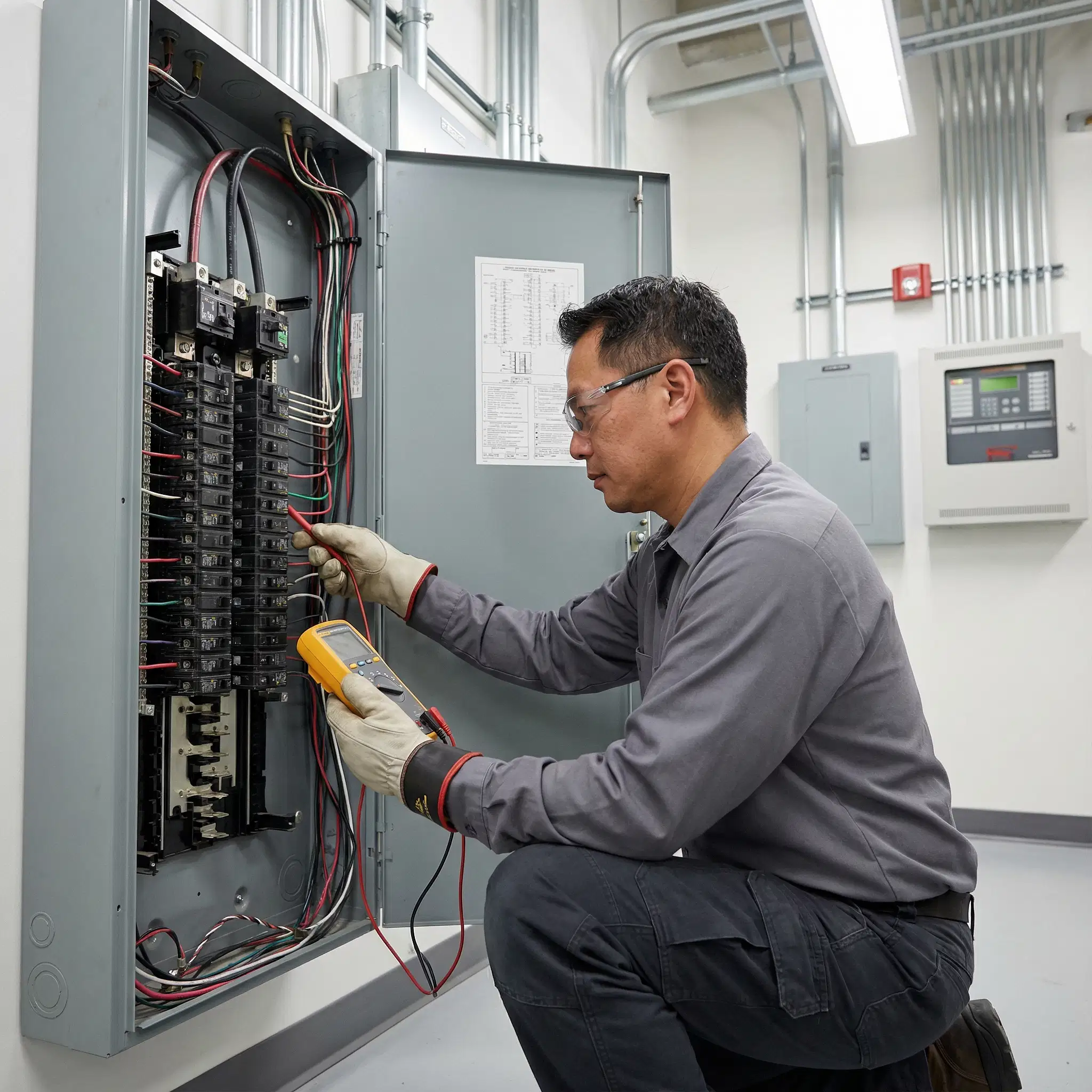
A restaurant's kitchen is its engine, and that engine requires a tremendous amount of power. Commercial-grade equipment—convection ovens, walk-in coolers, high-temperature dishwashers, and induction cooktops—all have significant electrical load requirements. One of the most common and disruptive issues in a new restaurant is frequently tripped circuit breakers, which almost always stems from an underpowered or poorly planned system.
To prevent this, each piece of heavy-duty equipment needs its own dedicated circuit. This ensures that a power-hungry freezer doesn't compete for electricity with your main oven, preventing overloads and potential equipment damage. The first step is to work with your electrician to calculate the total electrical load based on the specifications of all your planned equipment. This calculation determines the necessary size of your electrical panel. Planning for slightly more capacity than you currently need is a wise investment, allowing for future equipment upgrades without requiring a complete and costly overhaul of your system. A robust back-of-house electrical plan is fundamental to a smooth, uninterrupted service.
Setting the Mood: Lighting and Front-of-House Functionality
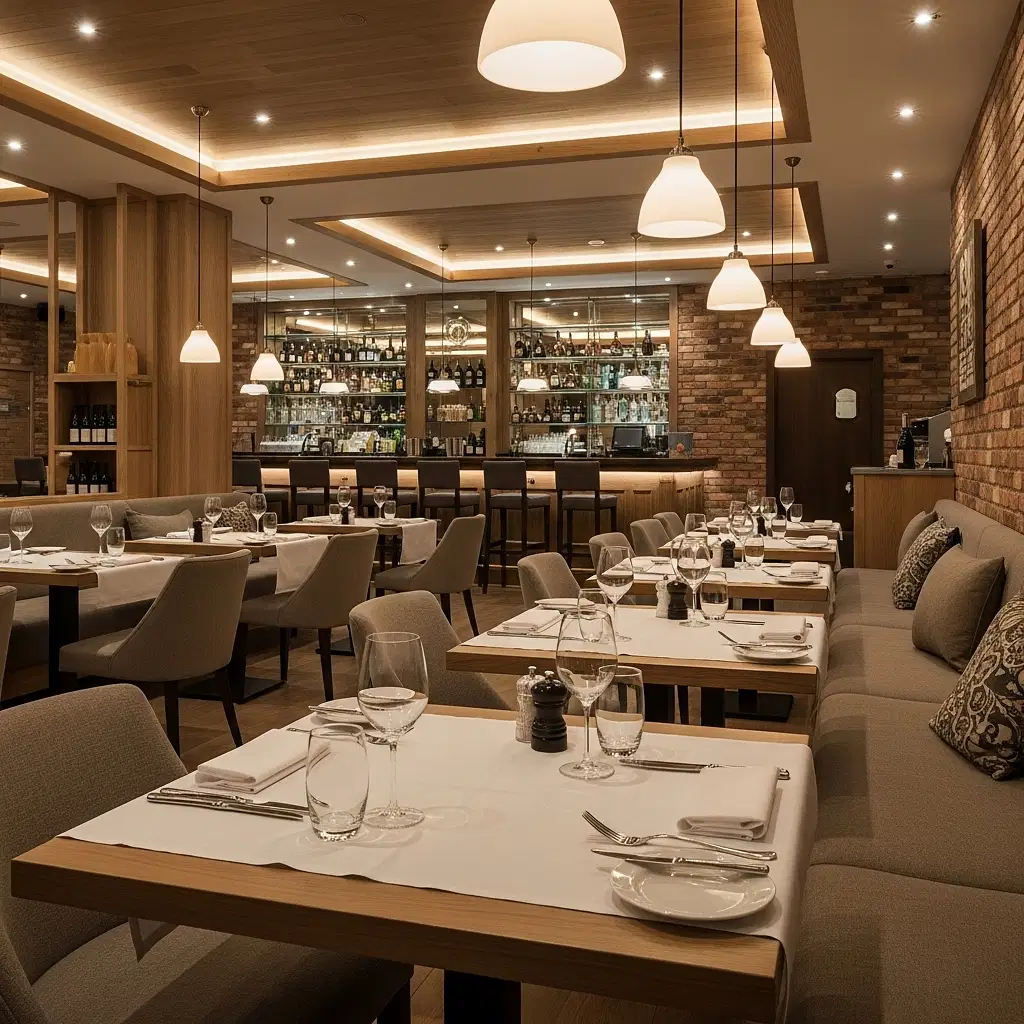
While the kitchen is the functional heart of your restaurant, the front-of-house is where you create the customer experience. Your electrical plan plays a starring role in setting the perfect ambiance. Modern restaurant lighting design is a sophisticated blend of art and science, using layers of light to make a space feel inviting, guide customers, and highlight architectural features.
Consider a mix of lighting types:
- Ambient Lighting: This provides the overall illumination for the space. Dimmable LED fixtures are an excellent choice, offering flexibility to change the mood from a bright lunch service to an intimate dinner setting while also improving energy efficiency.
- Task Lighting: Crucial for staff, this includes focused light over host stands, bar areas, and server stations to ensure they can work efficiently and safely.
- Accent Lighting: This is used to draw attention to artwork, menu boards, or unique design elements.
Beyond lighting, your front-of-house plan must account for all the technology that keeps your business running. This means strategically placed outlets for POS systems, credit card terminals, tablets, and charging stations for guests. Thinking through the workflow of your staff and the journey of your customers will help ensure your electrical plan supports a seamless and positive experience for everyone.
Navigating the Maze: Miami-Dade Electrical Codes and Inspections
In South Florida, building and electrical codes are particularly stringent, and for good reason. Ensuring safety and compliance is paramount, especially in a commercial setting like a restaurant. Navigating the Miami-Dade restaurant electrical code compliance process can be complex, and any misstep can lead to significant project delays and failed inspections. This is where partnering with a deeply experienced, licensed electrician becomes invaluable.
Inspectors will pay close attention to several key areas in a restaurant build-out:
- GFCI Protection: Ground Fault Circuit Interrupter outlets are required in all areas where water is present, including kitchens, bar areas, and restrooms, to protect against electrical shock.
- Emergency and Exit Lighting: Proper, battery-backed emergency lighting and illuminated exit signs are mandatory to ensure safe egress during a power outage.
- Proper Wiring and Load Calculation: The inspector will verify that all wiring meets code and that the electrical panel is appropriately sized for the calculated load of the restaurant.
An electrician who is an expert in local requirements will manage the entire permit and inspection process, ensuring every detail is up to code before the inspector ever steps foot on site. This proactive approach is the key to passing your inspections the first time and keeping your opening timeline on track.
Your Recipe for Electrical Success
From powering a high-output kitchen to creating the perfect dining ambiance, your restaurant's electrical system is the foundation of its success. A thoughtful, professional plan ensures operational efficiency, guest comfort, and, most importantly, safety and compliance. By focusing on dedicated circuits for your kitchen, strategic lighting design, and strict adherence to local codes, you build a resilient business ready to serve customers for years to come.
Don't let electrical planning be an afterthought. If you're embarking on a restaurant build-out in the Miami area, partner with a team that has decades of experience in commercial tenant build-outs. At Miami Dade Electric, we provide the expert commercial electrical services you need to bring your vision to life. Contact us today to schedule a consultation and ensure your project is powered for success.