Powering Your New Ride: Upgrading Your Home Electrical for EV Chargers
Making the switch to an electric vehicle is an exciting milestone, especially as more drivers across Miami embrace sustainable transportation. Whether you are commuting to downtown or running errands around the neighborhood, waking up to a fully charged vehicle offers unparalleled convenience. However, simply plugging a new car into a standard wall outlet often leaves homeowners frustrated with incredibly slow charging times.
To truly enjoy the benefits of an electric vehicle, a dedicated home charging station is essential. But before you purchase a high-speed charger, you need to know if your home's electrical infrastructure can handle the extra demand. Modern electric vehicles draw a significant amount of power, and older properties were simply not built to support this kind of load alongside modern air conditioning systems and high-tech appliances.
At Miami Dade Electric, our residential electrical services team frequently helps homeowners navigate the transition to electric driving. Upgrading your electrical system is about more than just convenience; it is about ensuring your home remains safe, efficient, and up to current building standards.
Understanding Power Load and Panel Capacity
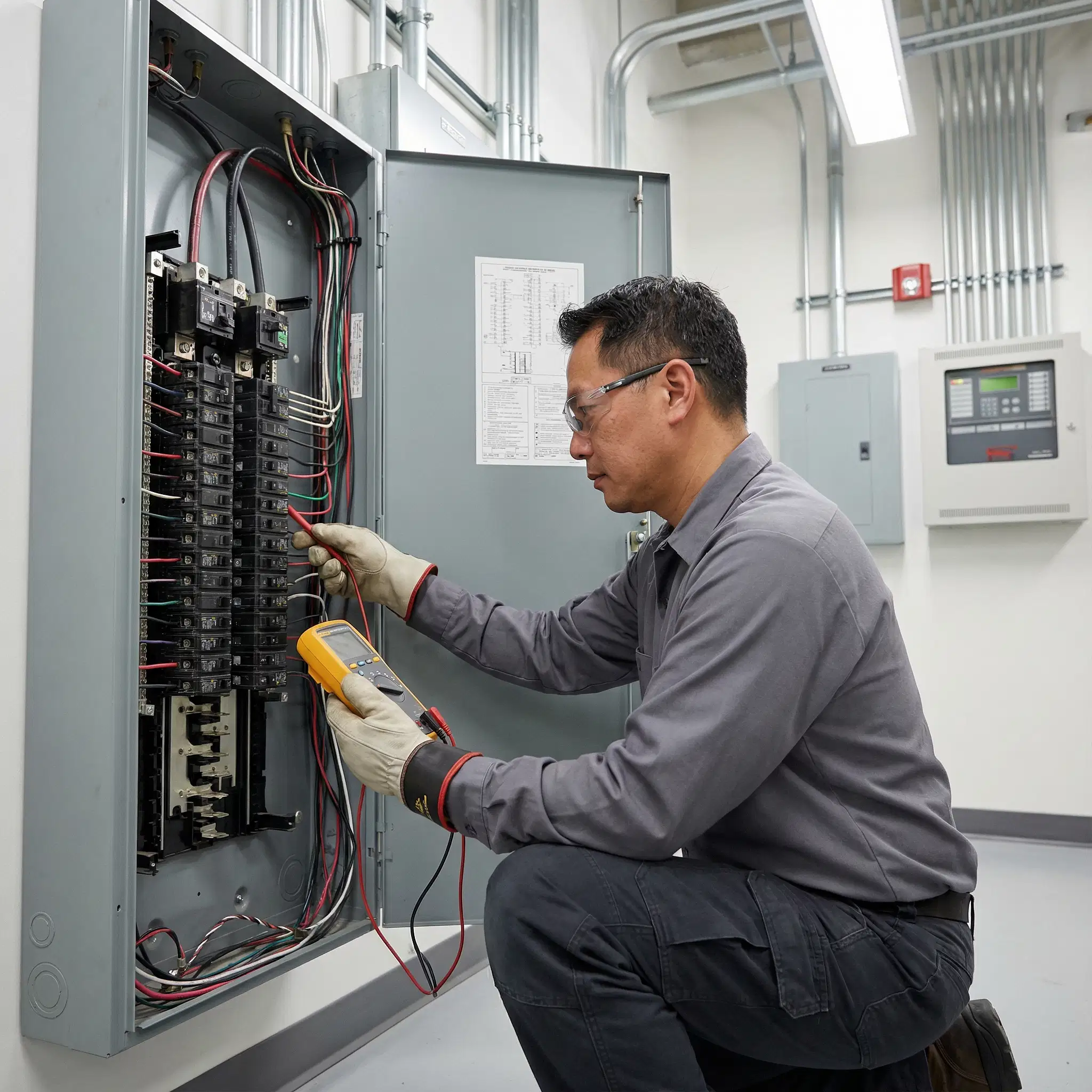
One of the most critical steps in preparing for an electric vehicle is assessing your current electrical panel. Many older homes still operate on 100-amp or 150-amp panels, which may already be struggling to keep up with your daily energy usage. When you combine the intense demand of your A/C running during our sweltering summers with the substantial draw of a vehicle charging overnight, you risk overloading your system. This is a common reason why a circuit breaker keeps tripping, which can be both annoying and potentially hazardous.
To determine exactly what your home needs, a licensed professional will perform a smart home EV charger power load calculation. This assessment looks at your total current energy usage, the capacity of your existing panel, and the specific requirements of your new vehicle. Based on these calculations, a home electrical panel upgrade for electric vehicle charging may be recommended.
Upgrading your panel does more than just make room for your car. It modernizes your home's energy distribution, ensuring that all your appliances run smoothly without putting undue stress on the system. Furthermore, during this inspection, we can identify and replace outdated or unsafe panels, ensuring your property is fully protected against electrical hazards. You can read more about evaluating older panels in our guide on whether your home's electrical system is safe.
The Installation Process: Level 2 Chargers and 240V Outlets
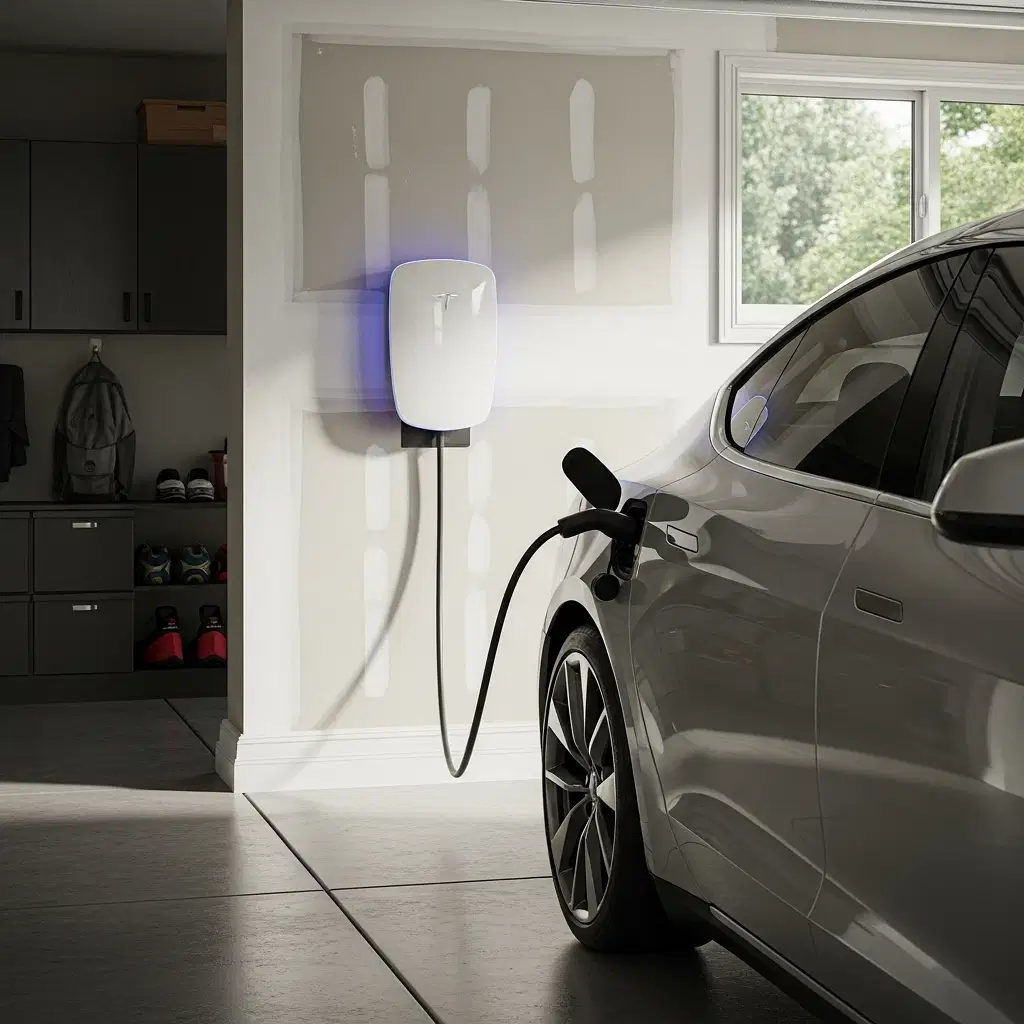
While Level 1 chargers can plug into standard 120-volt outlets, they only provide a few miles of range per hour of charging. Most EV owners quickly realize that they need a Level 2 charger to replenish their battery overnight.
Meeting residential level 2 EV charger installation requirements involves careful planning and strict adherence to local building codes. These chargers require a much higher voltage to operate efficiently. The process typically involves installing dedicated 240V outlet for EV charging, directly hardwired to a new, dedicated circuit in your electrical panel.
Navigating the strict building codes and permit requirements can be a headache for homeowners. Permitting processes are notoriously thorough, and for good reason—improperly installed high-voltage equipment poses a severe fire risk. Hiring an unlicensed handyman to cut corners might save a few dollars upfront, but it compromises your safety and can lead to code violations that complicate future property sales. A professional electrical contractor manages the entire permitting process, ensuring the installation is completely code-compliant and safely integrated into your home.
Protecting Your Investment
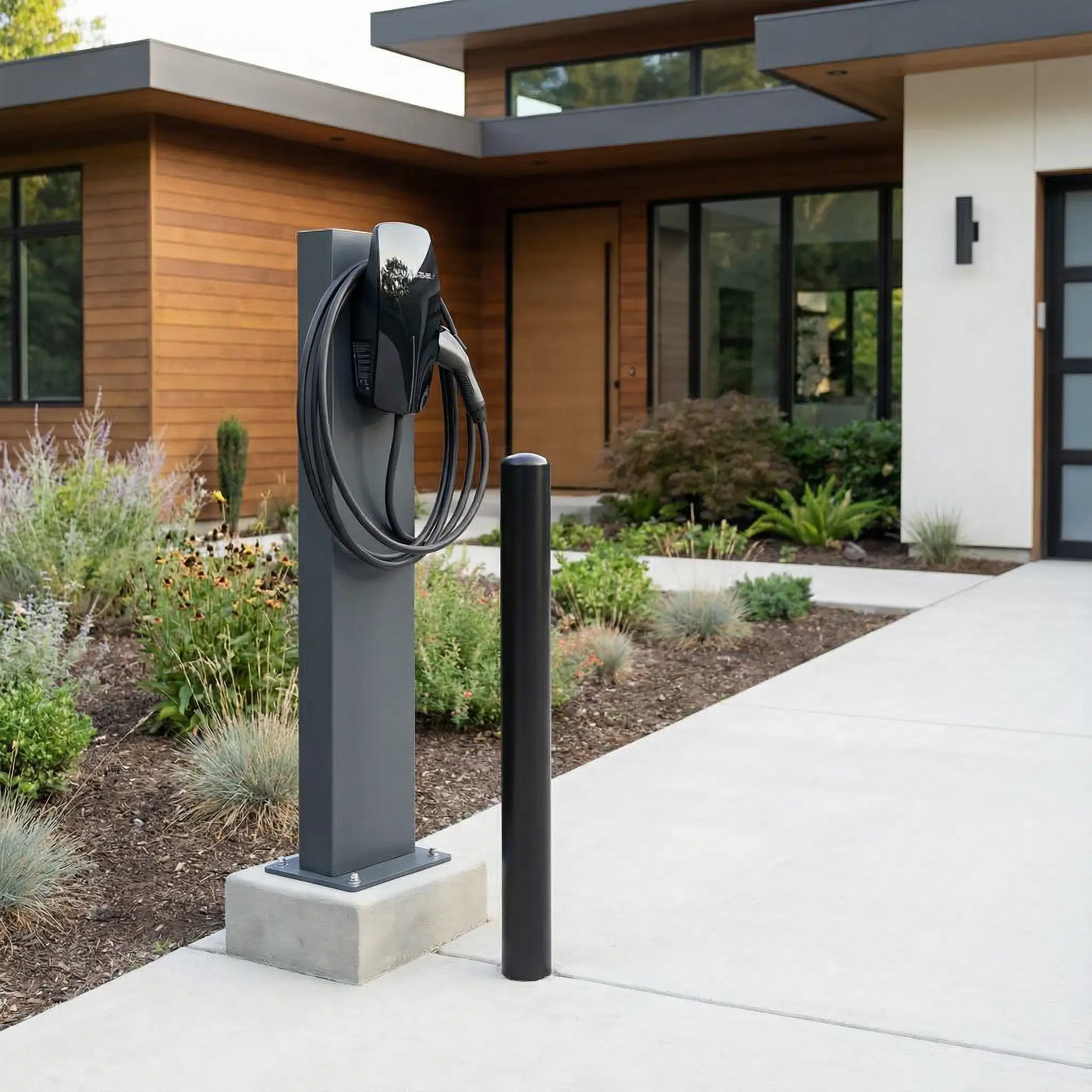
When you invest in an electric vehicle and a high-quality charging station, you also need to protect them from environmental threats. As locals know well, severe weather and sudden thunderstorms are a staple of life in The 305. A power surge caused by lightning or utility grid fluctuations can instantly destroy the sensitive electronics inside your new car and its charging station.
Installing whole-home surge protection at the panel level is a proactive way to safeguard your EV, alongside your A/C unit, smart home devices, and other expensive appliances. Additionally, coordinating with FPL to ensure your service drop can handle the upgraded amperage is a standard part of a professional installation process, guaranteeing a seamless transition to electric driving.
If you are ready to prepare your home for the future of transportation, do not leave your electrical safety to chance. Trust an experienced, licensed team to handle the technical details, permitting, and installation. Reach out to Miami Dade Electric today through our contact page to schedule a consultation and get a transparent, upfront estimate for your EV charger installation.