
Navigating the Current: A Guide to Electrical Code Compliance for Miami Commercial Renovations
Embarking on a commercial renovation or tenant build-out in Miami is an exciting venture. Whether you're opening a new retail space in Wynwood or modernizing an office in Brickell, your vision is about to become a reality. But before the new walls go up and the fixtures are installed, there's a critical, often complex, hurdle to clear: electrical code compliance. Navigating the specific requirements of the Florida Building Code and Miami-Dade County can be daunting, and a misstep can lead to costly delays and significant headaches. Understanding these regulations isn't just about passing an inspection; it's about ensuring the safety, efficiency, and long-term success of your business.
Why Miami's Electrical Codes Are Uniquely Strict
If you've ever wondered why the permit and inspection process seems so rigorous here, it's for good reason. Miami's electrical codes are designed to address the unique environmental and structural challenges of our region. They are not arbitrary rules but essential safeguards for your property, employees, and customers.
- Hurricane Resilience: First and foremost, our codes are written with hurricane season prep in mind. They mandate robust wiring, secure fixture installation, and stringent requirements for outdoor and critical systems to withstand high winds and moisture. This ensures that after a storm passes, your business can get back up and running safely and quickly.
- Humid, Salty Air: The coastal environment is corrosive. Codes specify materials and installation techniques, like the proper use of conduits and weatherproof enclosures, to prevent the rapid degradation of electrical components, which could otherwise lead to shorts and fire hazards.
- High-Density Buildings: In a bustling urban area like The 305, many businesses operate in multi-tenant buildings. Strict codes for firewalls, emergency lighting, and exit signage are crucial to ensure the safety of everyone in the structure, not just your individual unit.
Adherence to these codes is the foundation of a safe commercial space. It protects your investment from predictable local risks and ensures your electrical system is built to last.
Common Code Pitfalls in Commercial Tenant Build-Outs
During a commercial renovation, it's easy to overlook details that can result in a failed inspection. Partnering with an experienced electrician from the start helps you avoid these common issues that can derail your project timeline and budget:
- Incorrect Load Calculations: Commercial spaces have unique power demands. Restaurants need high-capacity circuits for kitchen equipment, while retail stores require specialized lighting. Failing to accurately calculate these loads can lead to overloaded circuits and constantly tripping breakers—a major operational headache and a clear code violation.
- Improper Emergency and Exit Lighting: The rules for egress lighting are non-negotiable. This includes the correct placement of illuminated exit signs and emergency lights with battery backups. An inspector will meticulously check that these systems are properly wired and functional to ensure a safe exit path during a power outage.
- Insufficient or Incorrectly Placed Outlets: The code dictates the number and placement of electrical outlets based on the room's size and intended use. This is to prevent the unsafe use of extension cords. Furthermore, areas near water sources, like kitchens or bathrooms, require Ground Fault Circuit Interrupter (GFCI) outlets for shock protection.
- Accessibility and ADA Compliance: Electrical controls, including light switches and thermostats, must be installed at heights and locations that are accessible to individuals with disabilities, as mandated by the Americans with Disabilities Act (ADA), which is integrated into building codes.
These are just a few examples. A thorough understanding of the code is essential, which is why professional guidance is invaluable for any commercial tenant build-out.
The Real Cost of Cutting Corners
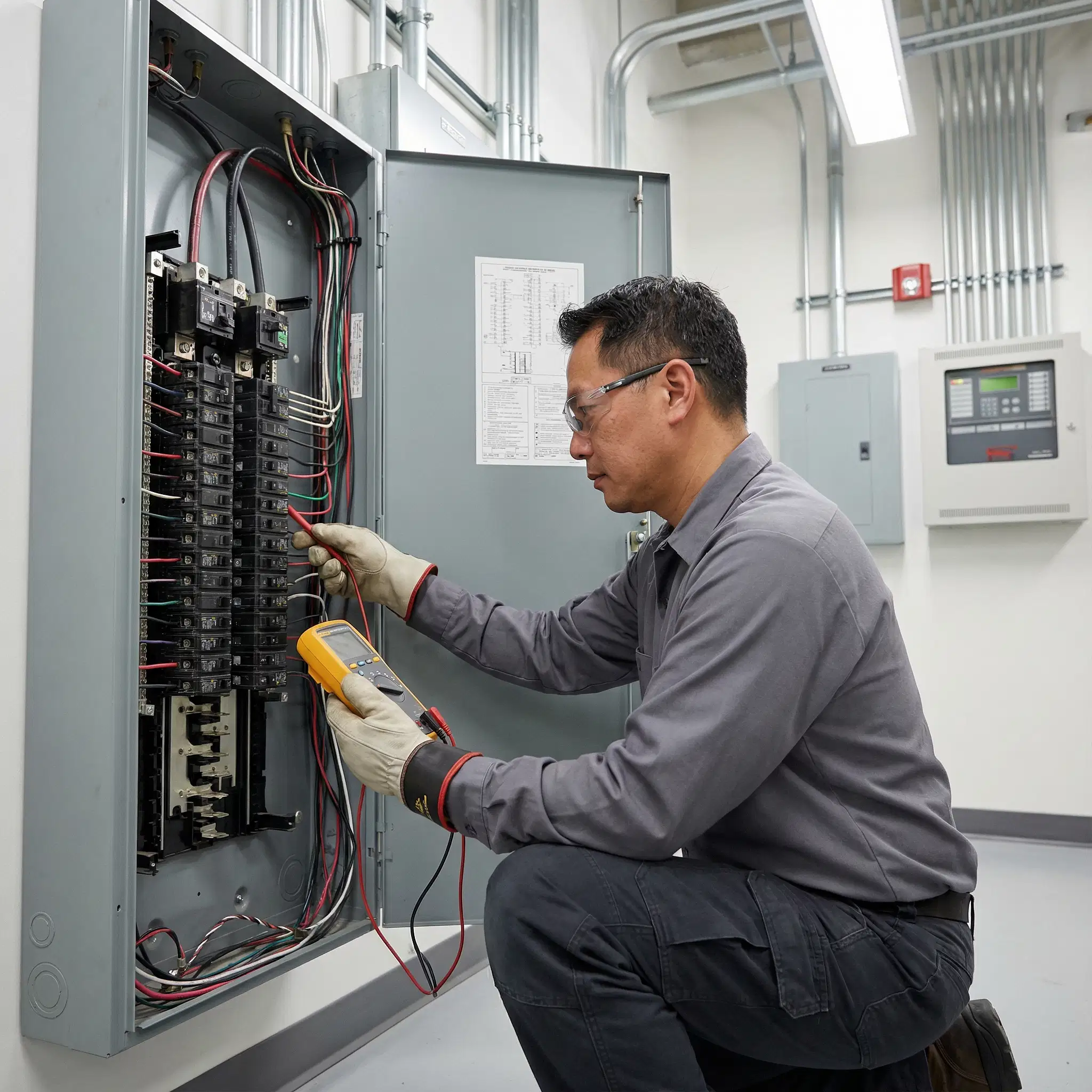
Trying to save money by using an unlicensed handyman or overlooking code requirements almost always costs more in the long run. The financial and operational consequences of non-compliance can be severe. A failed inspection means immediate project delays. Your entire construction schedule is put on hold until the violations are corrected, which can mean weeks of lost revenue while you continue to pay rent on a non-operational space.
Beyond delays, you may face fines from the county and be required to tear out finished work—like drywall or flooring—to fix the underlying electrical issue. This “rip and replace” work is expensive and demoralizing. Most importantly, a non-compliant electrical system poses a serious safety risk, increasing the potential for electrical fires and jeopardizing your insurance coverage. Investing in professional, code-compliant commercial electrical services from the beginning is the most financially sound decision you can make for your renovation project.
Your Roadmap to a Smooth, Compliant Renovation
Achieving electrical code compliance doesn't have to be a source of stress. With a strategic approach, you can ensure your project proceeds smoothly from start to finish.
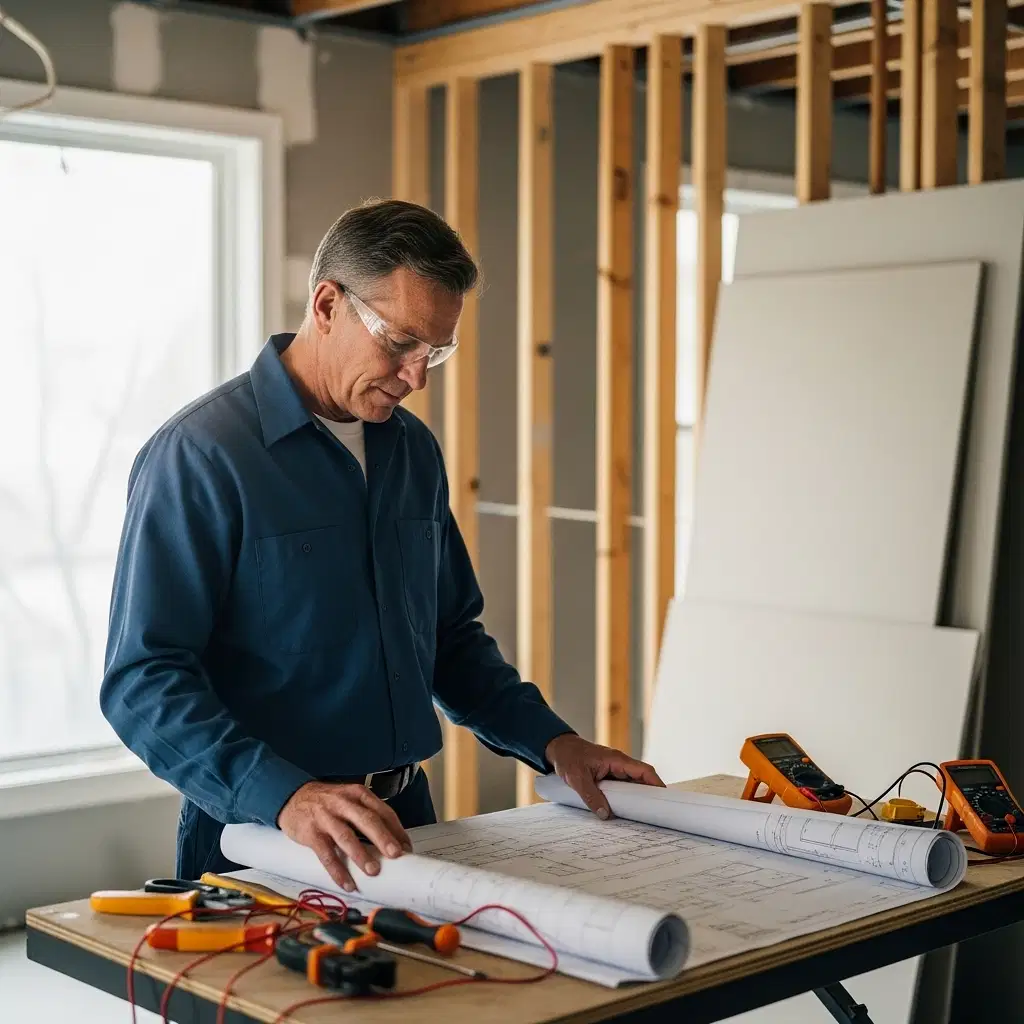
- Engage a Licensed Electrician Early: Bring a qualified commercial electrician into the planning phase. They can review your architect's plans to identify potential issues, suggest efficient solutions, and ensure the electrical design is compliant from day one.
- Prioritize a Detailed Plan: A comprehensive electrical plan that maps out every circuit, outlet, and fixture is your best tool. This plan is essential for pulling the correct permits and serves as a clear guide for the installation team.
- Insist on Proper Permitting: Never allow work to begin without the required electrical permits. The permitting process is your assurance that the plan has been reviewed for code compliance and that the final work will be inspected by a county official.
- Trust the Professionals: Rely on a team with a proven track record in local commercial projects. Experienced electricians understand the nuances of the Florida Building Code and have established relationships with local inspectors, which can help streamline the final approval process.
By following these steps, you transform code compliance from a potential obstacle into a quality-control checkpoint, ensuring your new commercial space is safe, reliable, and ready for business.
Build Your Business on a Foundation of Safety and Compliance
Navigating Miami's electrical codes is a critical step in any successful commercial renovation. It’s about more than just checking a box; it’s about safeguarding your investment, ensuring the safety of your team and customers, and preventing costly delays that can impact your opening day. By prioritizing compliance and partnering with experts who understand the local landscape, you can focus on what you do best: building your business.
If you're planning a commercial renovation or tenant build-out in the Miami area, don't leave your electrical system to chance. The team at Miami Dade Electric has decades of experience ensuring commercial projects meet and exceed all local and state codes. Contact us today to discuss your project and learn how we can help you power your business for success.