Is Your Home's Electrical Panel a Hidden Hazard? The Truth About Federal Pacific and Zinsco
When you flip a switch, you expect the lights to come on. When your A/C kicks into high gear during a sweltering afternoon, you trust your electrical system to handle the load without a second thought. But for many homeowners living in older properties across Miami, the very heart of their electrical system could be harboring a significant safety risk. If your home was built between the 1950s and the 1980s, there is a chance it is equipped with a Federal Pacific Electric (FPE) or Zinsco electrical panel. While these were once industry standards, decades of data and testing have revealed them to be incredibly dangerous. Today, we are going to explore why these specific panels are a liability, how to spot them, and what you need to do to protect your property and your family.
The Hidden Dangers of Outdated Panels
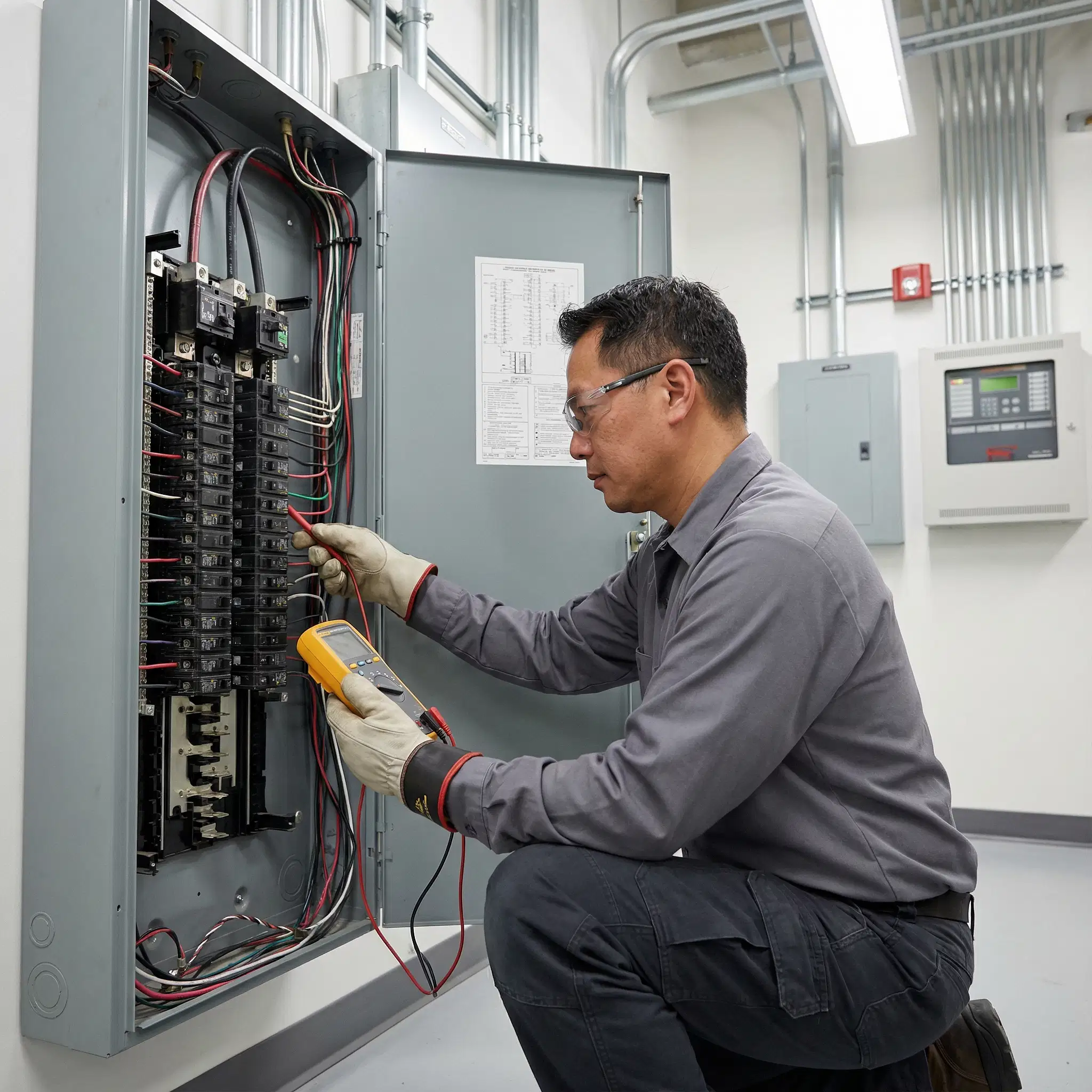
To understand the risk, it helps to know exactly what a circuit breaker is supposed to do. Your electrical panel is the central distribution point for electricity entering your home. When a circuit becomes overloaded—perhaps because you are running a heavy-duty appliance, a vacuum, and a hair dryer all at once—the breaker is designed to trip, cutting off the flow of electricity to prevent wires from overheating and starting a fire.
The primary issue with these older systems, particularly Federal Pacific Stab-Lok breaker fire hazards, is their alarming failure rate. Independent testing has shown that a significant percentage of FPE Stab-Lok breakers fail to trip when overloaded. Instead of cutting the power, they allow the electrical current to continue flowing, which can cause the wires to melt and ignite surrounding building materials.
Similarly, identifying unsafe Zinsco electrical panels is crucial because they suffer from a different but equally dangerous design flaw. The connection between the breakers and the bus bar (the metallic strip that distributes power) in Zinsco panels can become loose over time. This poor connection leads to electrical arcing—a situation where electricity jumps through the air—generating intense heat. This heat can literally melt the breaker to the bus bar, rendering it unable to trip and creating a severe fire hazard.
If you live in an older neighborhood, perhaps down in South Dade or an established suburban community, it is worth taking a few minutes to check your panel. Look for the names "Federal Pacific," "FPE," "Stab-Lok," "Zinsco," or "Sylvania" (which purchased Zinsco) printed on the outside cover or inside the door. If you see any of these names, or if you notice signs of outdated electrical panel failure such as scorch marks, a buzzing sound, or a burning plastic smell, it is time to call a professional immediately.
Insurance Headaches and Modern Power Demands
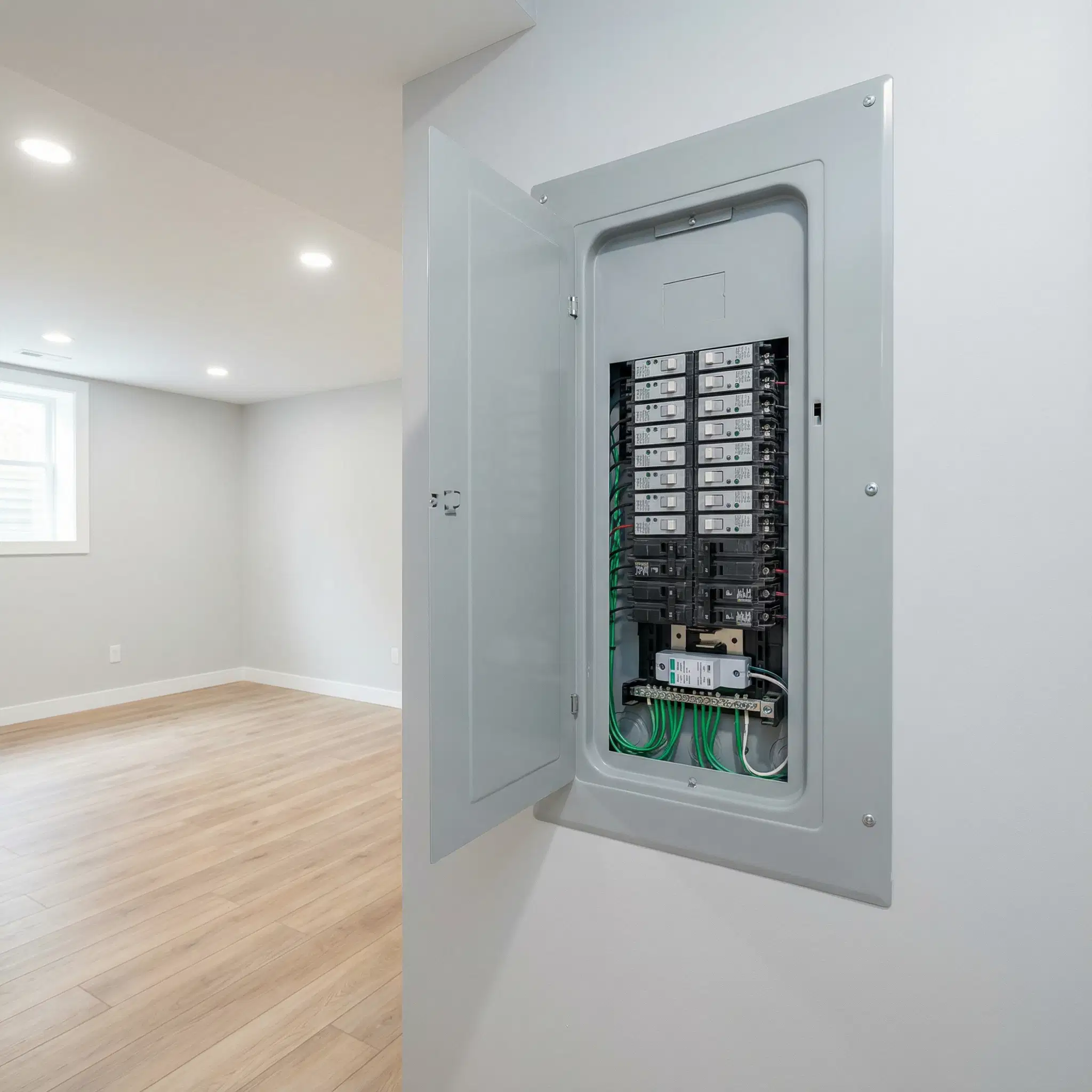
Beyond the immediate safety concerns, holding onto an obsolete electrical panel can hit you right in the wallet. In recent years, insurance companies have become acutely aware of the risks associated with these specific brands. As a result, electrical panel upgrades for home insurance have become a mandatory step for many homeowners. If an inspector flags an FPE or Zinsco panel during a routine check or a buyer's inspection, your insurance provider may threaten to cancel your policy or refuse to write a new one until the panel is completely replaced.
Furthermore, these older panels simply were not designed to handle the electrical demands of a modern household. Think about the technology we rely on today that didn't exist or wasn't common when these panels were installed. We have smart home automation systems, high-efficiency appliances, home offices running multiple computers, and even electric vehicle chargers. When you combine these modern conveniences with the heavy, continuous draw of your climate control systems, an outdated panel is a bottleneck waiting to fail.
Upgrading your system not only resolves the safety and insurance issues but also ensures your home has the capacity to support your lifestyle. Whether you are looking to modernize an older house or need comprehensive residential electrical services to bring your property up to current standards, a panel replacement is a foundational step.
Navigating the Upgrade Process
A common question we hear from homeowners is whether they need a permit to upgrade their electrical panel. The short answer is yes. The local building codes are incredibly strict, and for good reason. Electrical work is not a DIY project. Replacing a panel requires pulling the proper permits, coordinating a temporary power disconnect with FPL, and passing a rigorous inspection by municipal authorities to ensure everything meets the current safety codes.
This strict regulatory environment is why it is so important to hire a licensed and insured contractor who understands the local landscape. A professional team will handle the entire process, from the initial load calculation and permitting to the final installation and inspection. They will ensure that your new panel includes modern safety features, such as whole-home surge protection, which is highly recommended to protect your sensitive electronics from frequent lightning strikes.
It is also worth noting that this issue isn't strictly limited to single-family homes. Many older commercial buildings and multi-family properties still harbor these outdated systems. If you manage a property or are planning a renovation, integrating a panel inspection into your commercial electrical services or commercial tenant build outs is a critical step to ensure the safety of your tenants and the compliance of your building.
Securing Your Property for the Future
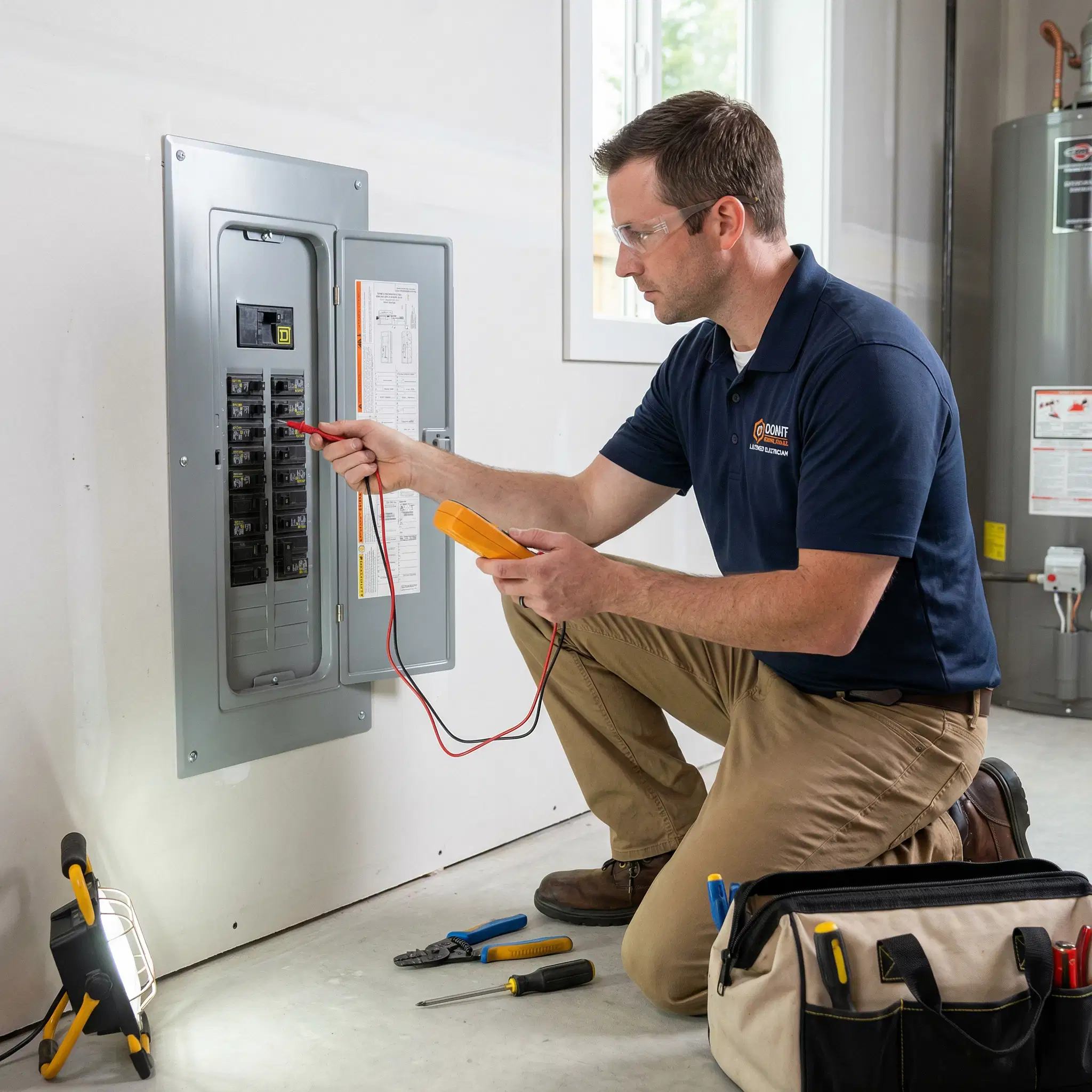
Your electrical panel is the unsung hero of your property, quietly managing the power that keeps your life running smoothly. But when that panel is a known hazard like a Federal Pacific or Zinsco model, it becomes a silent threat. Don't wait for a tripped breaker to fail or for an insurance notice to arrive in the mail. Taking proactive steps to replace these dangerous panels will give you peace of mind, keep your insurance rates in check, and ensure your electrical system is ready for whatever the future holds.
As we approach the next Hurricane Season, having a reliable, modern electrical infrastructure is more important than ever, especially if you plan to integrate backup power solutions like a standby generator. If you suspect your home or business might be running on borrowed time with an outdated panel, we are here to help.
At Miami Dade Electric, we pride ourselves on providing transparent, upfront pricing and expert service to our neighbors throughout The 305. Whether you need a thorough inspection, a complete panel replacement, or any of our other professional services, our licensed technicians are ready to ensure your property is safe and up to code. Contact us today to schedule your consultation and take the first step toward a safer, more reliable electrical system.