Common Electrical Code Violations During Renovations
Embarking on a renovation project is an exciting milestone, whether you are updating a historic home in Miami or expanding a modern retail space. From selecting the perfect finishes to knocking down walls to open up your layout, the design possibilities are endless. However, behind the drywall lies a complex network of wires and circuits that must meet strict safety standards. One of the most common reasons construction projects experience frustrating delays and blown budgets is the discovery of electrical code violations.
Navigating National Electrical Code (NEC) updates and local permitting processes can cause serious project bottlenecks if you don't have the right team on your side. The codes exist for a vital reason: to protect your property from fire hazards and ensure the safety of its occupants. Whether you are adding a new Florida Room for your family to enjoy or remodeling a commercial storefront, understanding the most frequent electrical pitfalls can save you time, money, and stress. In this guide, we will walk through the typical violations inspectors catch during renovations and how to ensure your property remains perfectly compliant and safe.
The Dangers of DIY Wiring and Improper Splicing
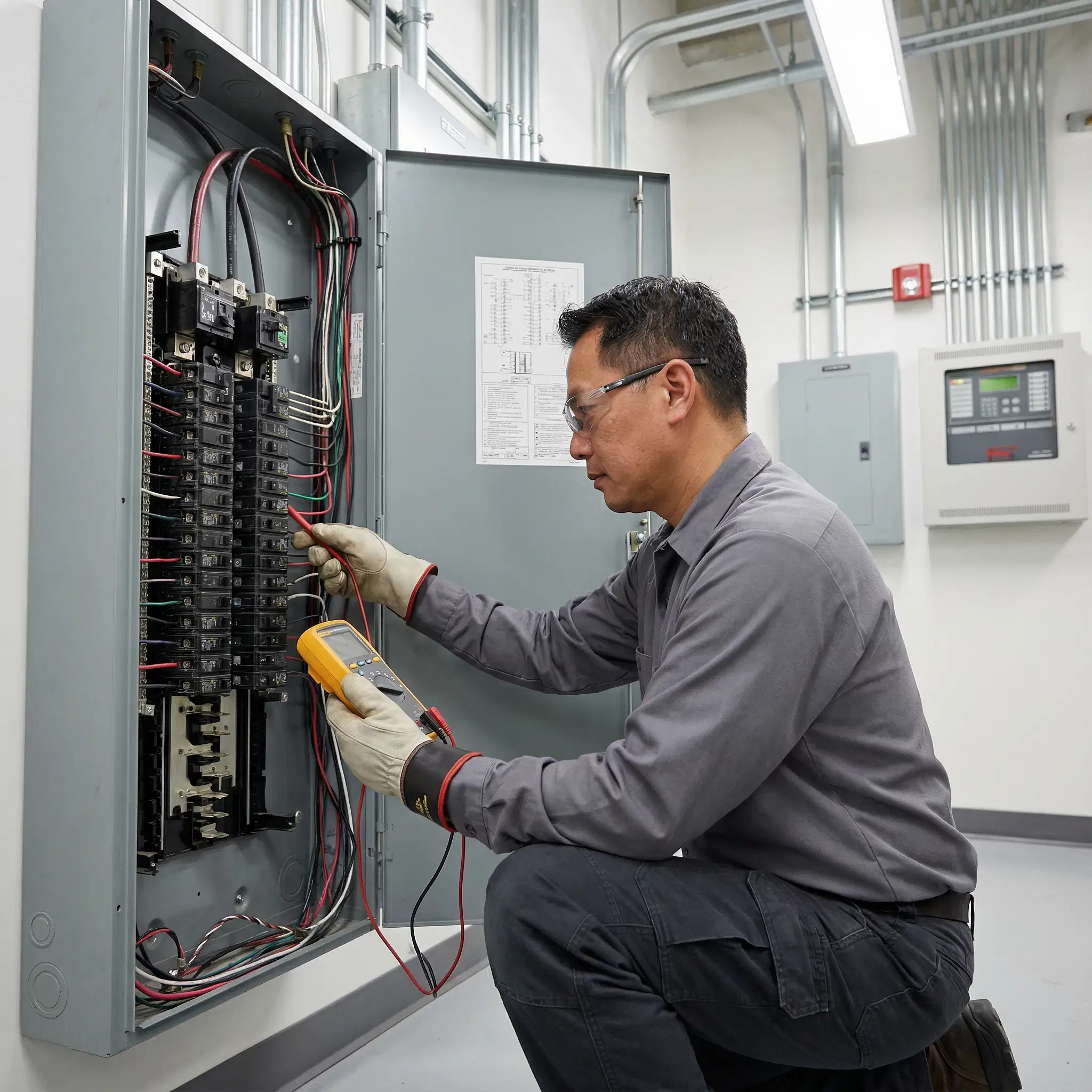
Many property owners ask, is it safe to do my own DIY electrical work? The short answer is no. While it might be tempting to tackle minor rewiring to save a few dollars during a renovation, unauthorized electrical work is one of the leading causes of failed inspections. A frequent violation uncovered during remodels is improper wire splicing. Splicing occurs when two or more wires are connected. By code, these connections must be secured within an approved junction box that remains accessible.
Often, ambitious DIYers or unlicensed handymen will twist wires together, wrap them in electrical tape, and bury them behind drywall. This is a severe fire hazard. Without the protection of a junction box, a loose spark has direct access to flammable building materials. When our team steps in to correct these hidden dangers, we ensure all splices are properly housed and secured. Relying on professional residential electrical services guarantees that your renovation's underlying infrastructure is just as sound as its beautiful new exterior.
Missing or Incorrect GFCI Protection
What is a GFCI outlet and where should they be installed? Ground Fault Circuit Interrupter (GFCI) receptacles are designed to protect people from fatal electric shocks in areas where water and electricity might mix. Code dictates that GFCIs must be installed in kitchens, bathrooms, laundry rooms, garages, and outdoor areas.
During kitchen and bathroom remodels, inspectors frequently find that standard receptacles were installed instead of GFCIs, or that the GFCIs were wired incorrectly, rendering them useless. Furthermore, modern code requires Arc Fault Circuit Interrupter (AFCI) protection in most living spaces to prevent electrical fires caused by arcing. Understanding exactly where and how these safety devices need to be implemented is crucial for a smooth inspection and, more importantly, for the well-being of everyone in the building.
Overcrowded and Outdated Electrical Panels
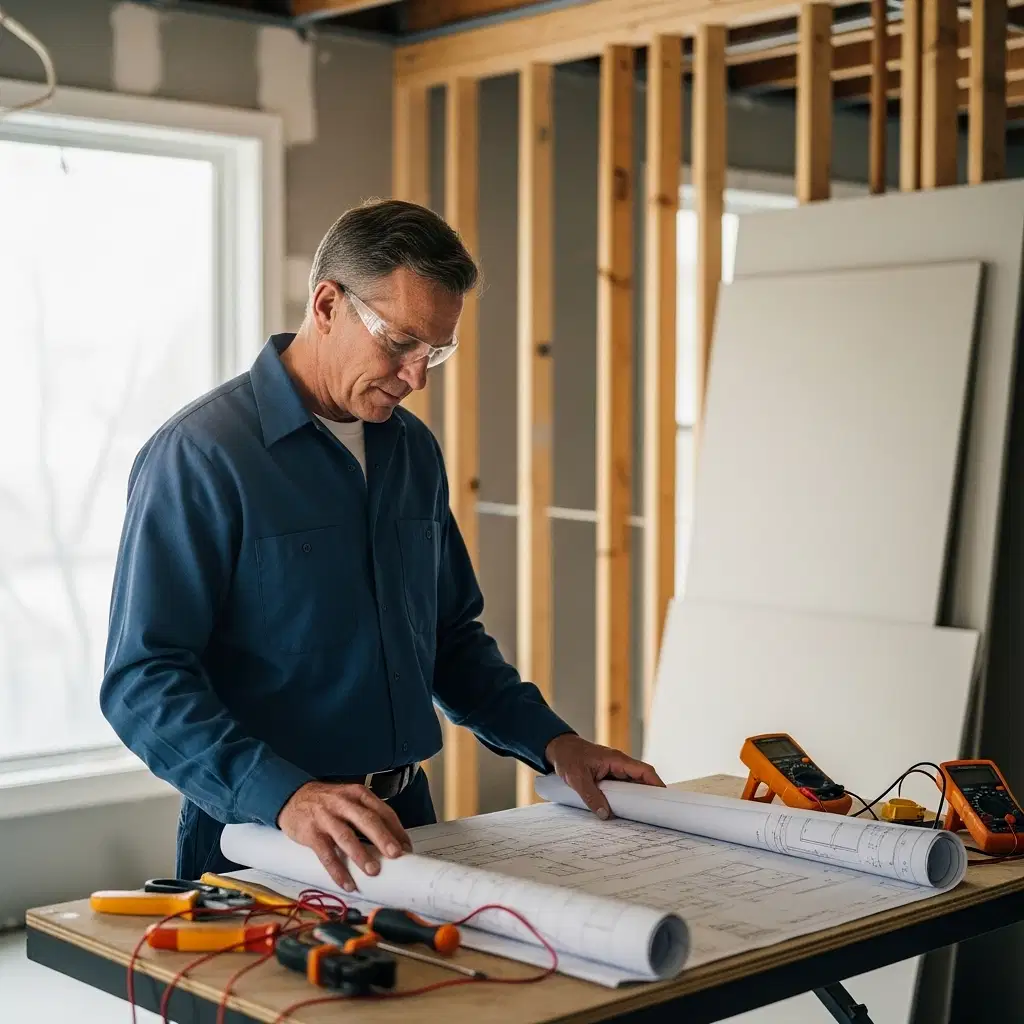
As you add new appliances, smart home automation, and dedicated circuits for home offices during a remodel, the demand on your electrical panel increases significantly. Property owners often ask, how do I know if my home's electrical panel needs an upgrade? If your circuit breakers keep tripping, if you hear buzzing sounds, or if your panel relies on outdated fuses, you are likely due for a replacement.
Renovations often expose overcrowded panels, where two wires are incorrectly forced into a single breaker terminal (a violation known as double-tapping). Furthermore, the shift toward sustainable living, such as integrating solar setups or EV chargers, requires robust electrical foundations. The good news is that under the Inflation Reduction Act, you may qualify for tax credits when upgrading your electrical panel to support energy-efficient improvements. Upgrading your panel during a renovation not only ensures code compliance but also prepares your property for the technological demands of the future.
Commercial Renovation Complexities
The stakes are even higher when renovating business spaces. Strict adherence to OSHA guidelines, ADA requirements, and commercial fire codes is non-negotiable. Whether you are upgrading an auto dealership or expanding a restaurant, commercial spaces have intensive energy requirements.
Common code violations in these environments include improper conduit routing, inadequate emergency lighting, and failing to correctly balance the electrical load across the system. This can lead to frequent power interruptions and massive compliance fines. Partnering with a skilled contractor for commercial tenant build outs ensures that the specialized demands of your business are met seamlessly. From heavy-duty HVAC systems to intricate lighting designs, comprehensive commercial electrical services keep your doors open and your operations running without a hitch.
Conclusion: Build Safe, Build Right
Electrical code violations are more than just a bureaucratic headache; they are serious safety risks that can jeopardize your entire renovation investment. By prioritizing regulatory compliance and relying on licensed, bonded professionals, you can keep your project on schedule and gain total peace of mind.
As we look ahead to the unpredictable SoFlo weather, ensuring your home or business is electrically sound is especially critical before hurricane season arrives. Up-to-date wiring, properly balanced panels, and secure connections will help your property weather any storm. If you are planning a renovation or are concerned about the current state of your electrical system, Miami Dade Electric is here to help. Our experienced technicians are dedicated to transparent pricing, strict code adherence, and superior craftsmanship. Reach out to us through our contact us page today to schedule a comprehensive consultation and keep your renovation moving forward safely.